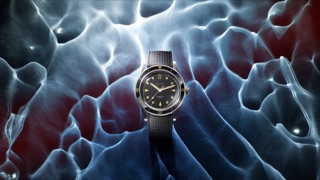
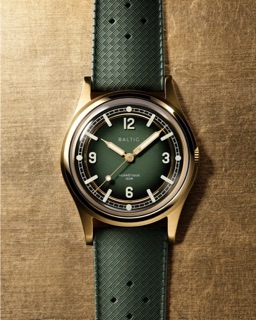
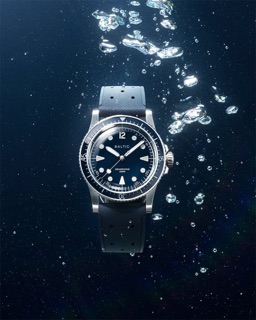
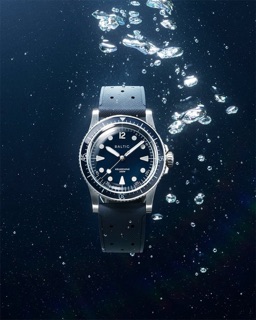
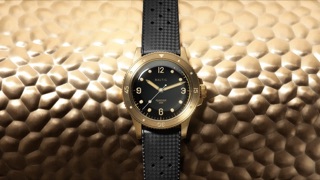
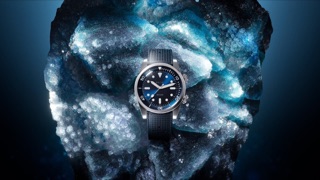
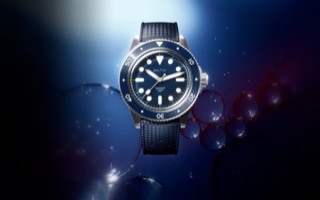
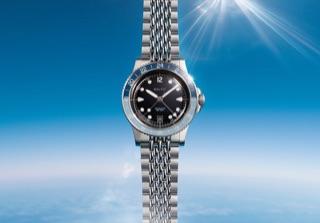
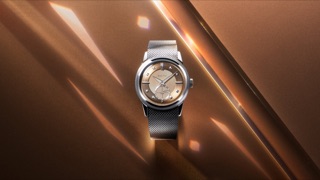
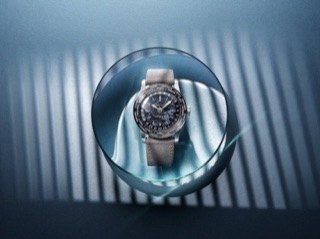
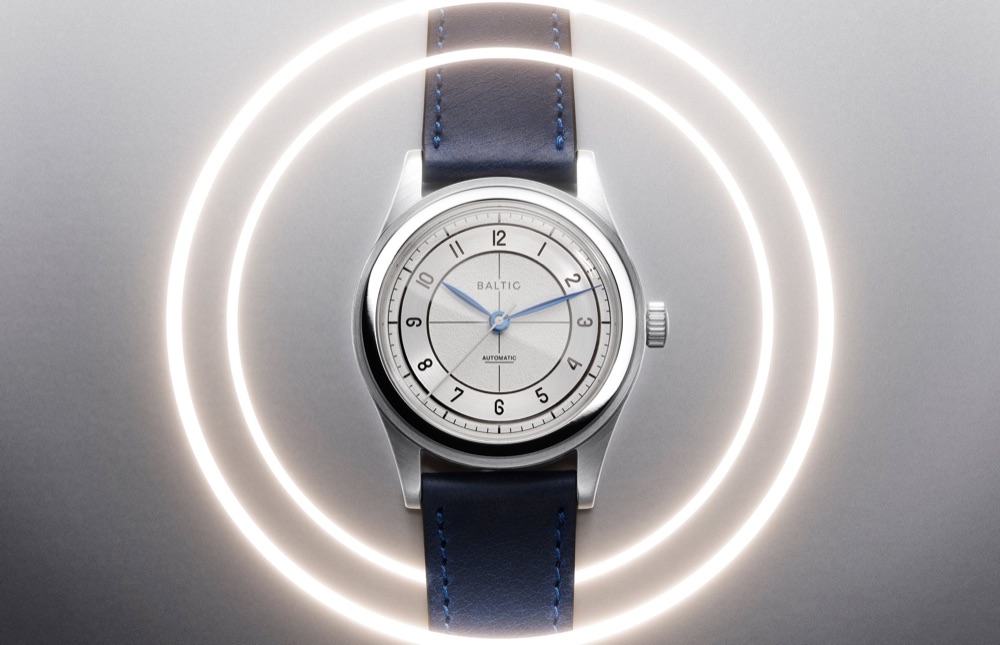
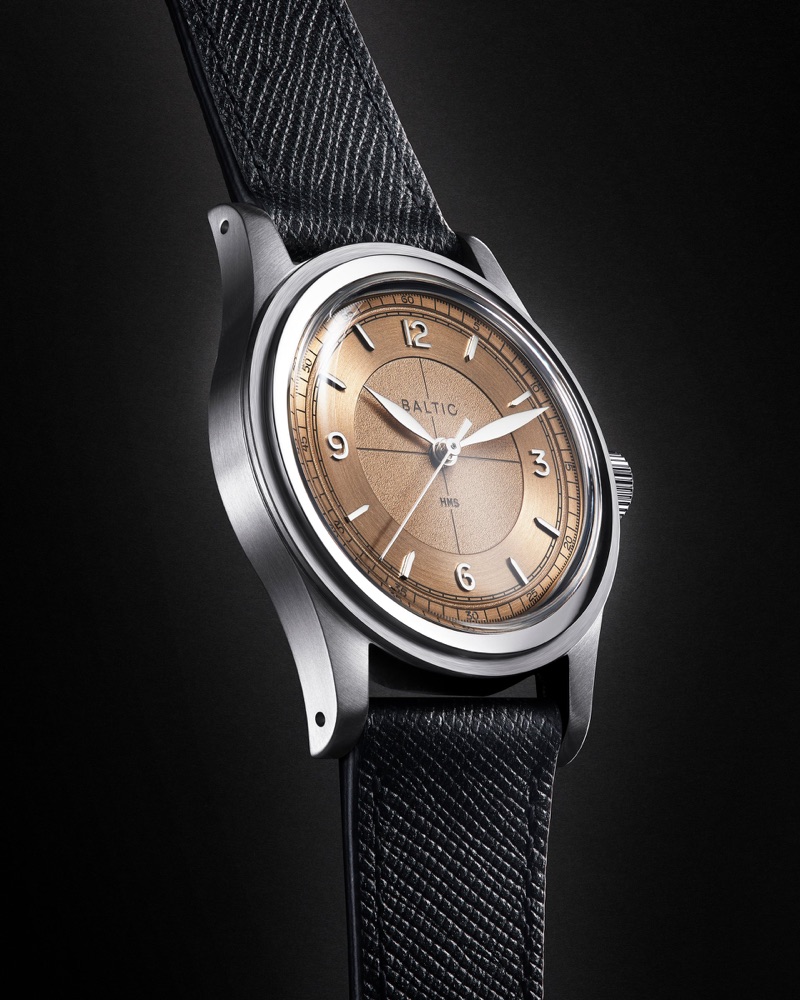
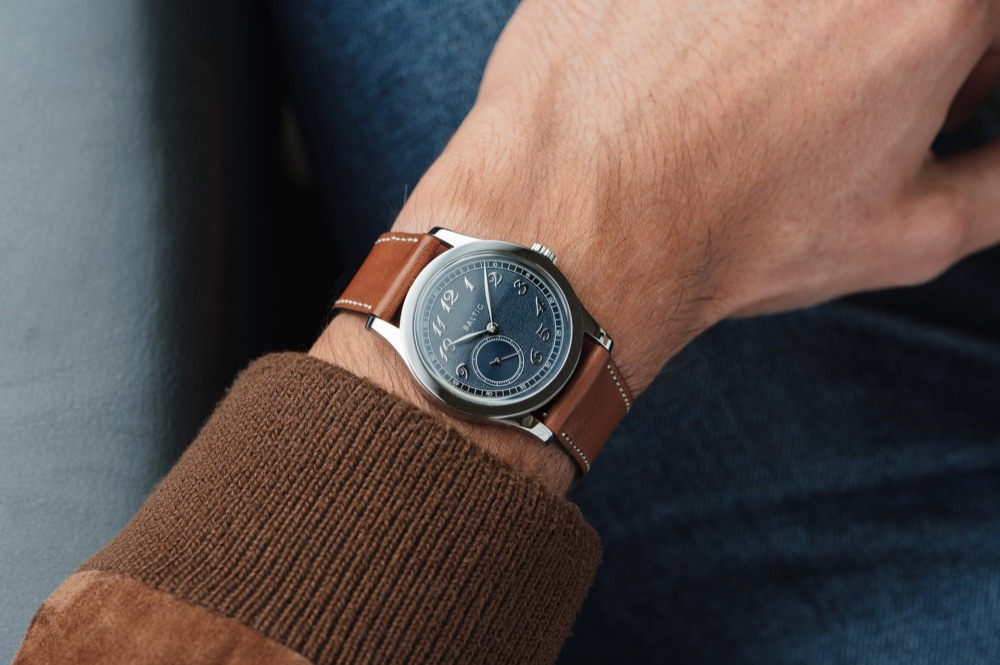
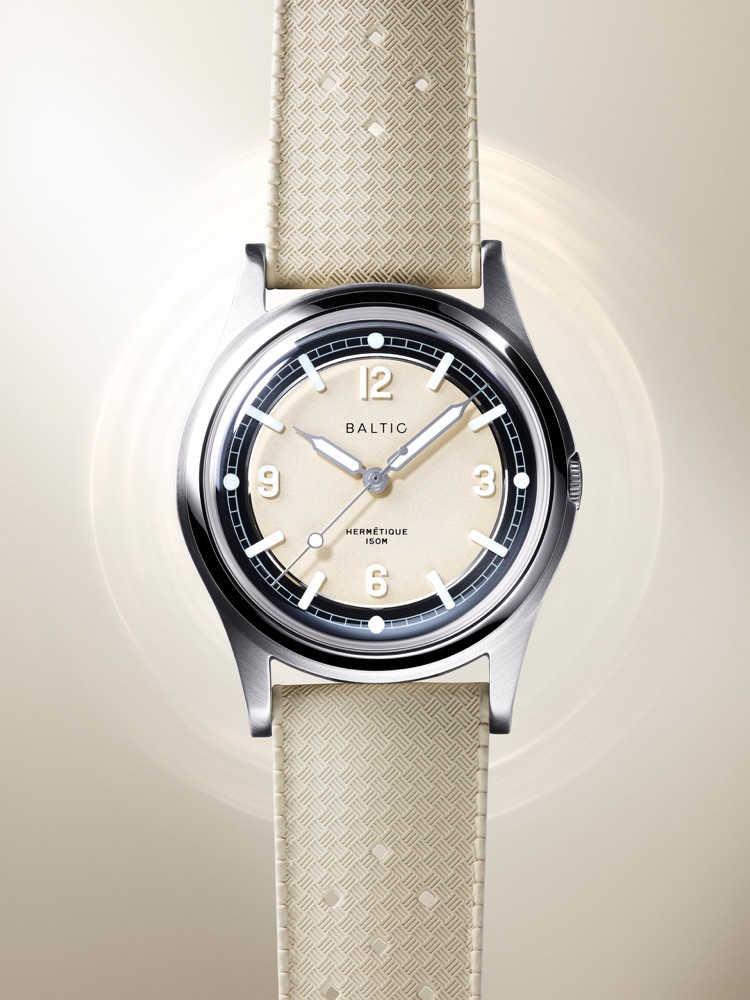
Baltic is a Besançon brand that assembles and adjusts its watches in its own atelier from components made mostly in Hong Kong, says so plainly, and prices everything in euros with no dollar figure at all. The decision it forces is which side of €990 to buy on, since below that line every movement is Japanese or Chinese and above it every one is Swiss.
Checked 19 September 2026 · list prices on the maker's site that day unless marked street
Baltic was founded in Besançon in 2016 by Etienne Malec, and it says plainly where its watches come from. Components are made mostly in Hong Kong, accessories in Italy, and assembly and adjustment happen at the brand's own atelier in Besançon. It sells from its site and from showrooms in Paris and London; the about page says direct only, and the retailers page lists around 30 stockists, Le Bon Marché, Time+Tide and Clicky Bezel among them. The range is 16 watches on a 20 mm lug, and the line a buyer should draw through it is €990, since below it every movement is Japanese or Chinese and above it every one is Swiss. The crystal is the other split, high-domed hesalite on the HMS 002, HMS 003 and MR Classic, double-domed sapphire with an inner anti-reflective coating on everything else, single-domed on the Dual-Crown. Water resistance runs in six tiers from 30 m on the MR Classic and both Prismics to 300 m on the Aquascaphe Titanium alone. What is new this year is the Aquascaphe GMT MK-II, marked new on the site at €850.
The Aquascaphe MK2 39.5 mm at €630 sits with the Lorier Neptune at $699 and the Vaer D5 at $729, the Lorier on the same Miyota 9039, and only the Baltic comes in a 37 mm size. The GMT MK-II at €850 runs the same Miyota 9075 as the Lorier Hyperion at $799 and the Nodus Contrail at $900. Above €990 the neighbours are Farer and Serica, and Baltic is the cheaper route to each shared calibre, the Scalegraph against Farer's Libre at $2,095, the Prismic Stone against Farer's Solander at $1,295, the Heures du Monde against Serica's 8315 at $2,450.
A US buyer pays in euros. The site shows no dollar price, and its own settings text says the storefront displays an estimate in your currency and takes payment in euros, so the figure on your card statement is set by your bank's rate on the day. Every price here is the euro figure on the maker's site on 19 September 2026, nothing is converted, and most are "From" prices, with the bracelet the option that moves them at checkout. The brand's archive page says the Bicompax, on the Seagull ST1901, left the catalogue on 1 April 2025, which makes the Scalegraph the only chronograph Baltic sells, and the MR01 is now sold as the MR Classic, though its product page still carries the old name. Warranty is two years from the date of shipment.
Founded2016
BasedBesançon, France
AssembledComponents made mostly in Hong Kong (accessories Italy); watches 'assembled and adjusted' at the brand's atelier in Besançon, France
Price rangeEUR 385–1,585 on the maker's site; no USD price shown
SoldDirect (web, Paris and London showrooms) plus ~30 authorised retailers worldwide (Le Bon Marché, Printemps, Time+Tide, James Porter & Son, Hour Choice, Clicky Bezel, etc.)
Read the table by movement, because the price ladder follows the movement ladder almost to the euro. The Miyota 9039 no-date automatic runs 8 of the 16: both Hermétique Tourers and every steel, bronze and titanium Aquascaphe diver, with the MK2 adding a Miyota 9015 date option. The Miyota 8315 runs the two HMS dress watches, the Hangzhou CAL5000a micro-rotor runs the MR Classic, and the Miyota 9075 in the Aquascaphe GMT MK-II is a true GMT with an independently jumping local hour. Above €990 the movements turn Swiss, an ETA/Peseux 7001 hand-wound in the Prismic, a La Joux-Perret D100 hand-wound in the Prismic Stone, a Soprod C125 GMT in the Heures du Monde and a Sellita SW510-M hand-wound chronograph in the Scalegraph.
Ø38 mm · automatic · 50 m · $443 · Cheapest · hesalite · 50 m
Baltic HMS 002
38 × 47 mm · ref 40 × 47
MovementMiyota 8315 automatic
Case38 mm
Lug to lug47 mm
Thickness13 mm
Lug width20 mm
Water resistance50 m
CrystalHigh-domed hesalite
BezelFixed polished
Case material316L stainless steel
Price$443 (maker's on-page estimate, billed in euros)
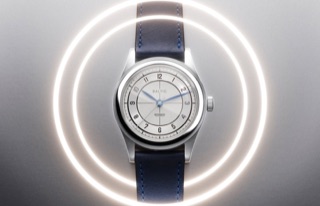
The Baltic to buy at €385 if 38 mm is your size and hesalite does not trouble you. The Miyota 8315 sits under a high-domed hesalite crystal, which scratches and polishes out and is why a Baltic automatic costs €385; the 13 mm thickness includes the dome. Four dials, Silver, Blue Gilt, Black and Gold PVD Black, at one price, on Italian calf leather with bracelet options. The alternative for the same €385 is the HMS 003 below, the same watch 1.5 mm narrower and 1 mm shorter, and the choice between them is wrist width and nothing else.
Price$443 (maker's on-page estimate, billed in euros)
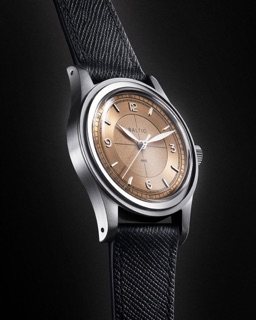
The HMS to buy on a wrist under 6.5 inches, at the same €385 as its larger sibling. It is 36.5 mm across and 46 mm lug to lug, with 10 mm of case under a 3 mm hesalite dome for 13 mm in total, so compare the 10 mm figure with sapphire-crystal rivals rather than the 13. Salmon, Silver Blue or Blue Gilt. For the same money the HMS 002 gives 1.5 mm more dial. The trade is the one the whole HMS line carries, hesalite where the rest of the range has sapphire.
Price$627 (maker's on-page estimate, billed in euros)
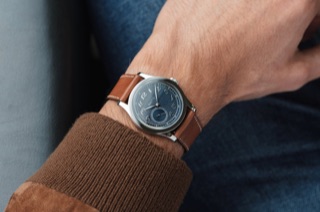
The thin automatic at €545, and the cheapest way into a micro-rotor in the range; the Hangzhou CAL5000a is how a self-winding watch under a domed crystal comes in at 9.9 mm. The MR Roulette variants are the same price, on Italian calf leather with a beads-of-rice bracelet option. The alternative is the Prismic, the same 36 mm by 44 mm case, 0.7 mm thinner, under sapphire and on a Swiss hand-wound, at €445 more. What €545 gives up is sapphire and any water resistance worth the name at 30 m; the product page still calls it the MR01.
Price$632 (maker's on-page estimate, billed in euros)
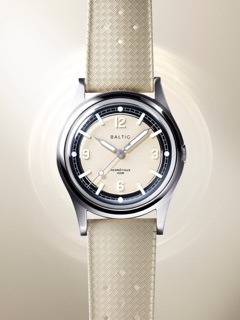
The field watch to buy at €550, and the thinnest of the eight Miyota 9039 models at 10.8 mm. 37 mm across and 46 mm lug to lug, with 150 m behind a fixed polished steel bezel, which covers swimming; the summer colourways list at the same price. The alternative for €80 more is the Aquascaphe MK2 37 mm, the same diameter, 1 mm shorter, 2.1 mm thicker and with a bezel that turns. What the Tourer does not give you is a rotating bezel, and if you want one Baltic charges the €80.
Price$690 (maker's on-page estimate, billed in euros)
The original Aquascaphe, and from €600 the cheapest route to a sapphire bezel insert in the range. 39 mm across and 47 mm lug to lug, 13 mm thick with the dome and 11 mm without it per the brand, on FKM rubber Sport; the Blue Gilt is the same price, and beads-of-rice or flat-link bracelets are what lift the From figure. The alternative for €30 more is the MK2 39.5 mm, 0.5 mm larger, 0.1 mm thinner, with BGW9 lume and a date option. Keep the €30 only if the date and the lume grade mean nothing to you.
Price$690 (maker's on-page estimate, billed in euros)
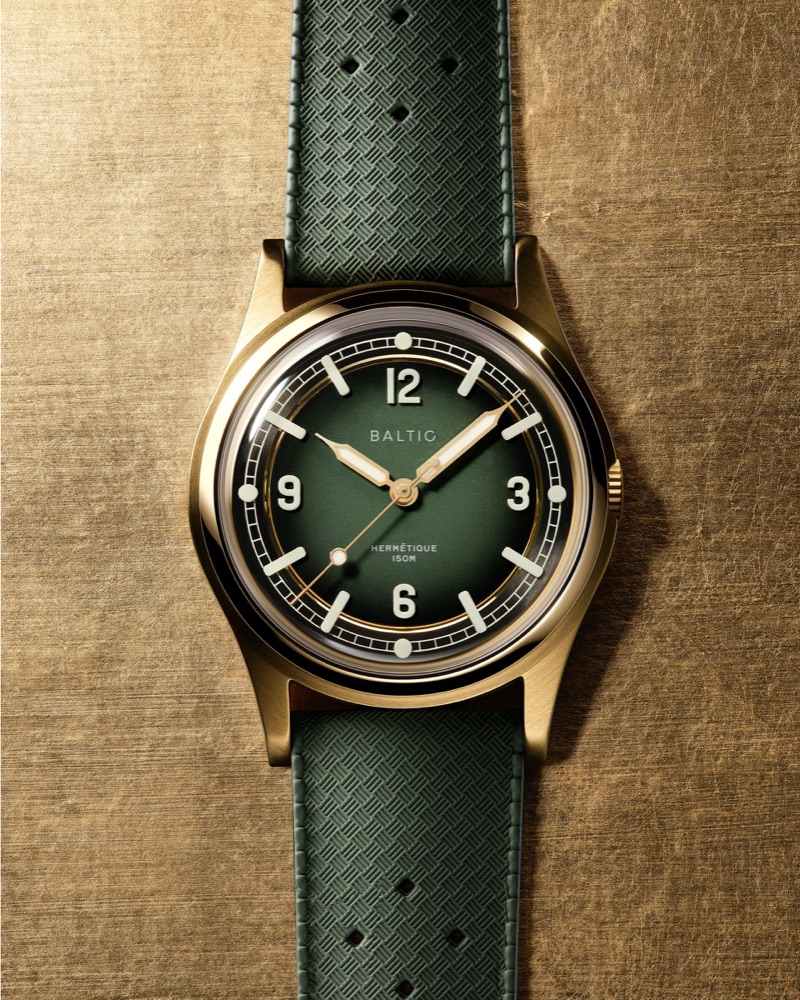
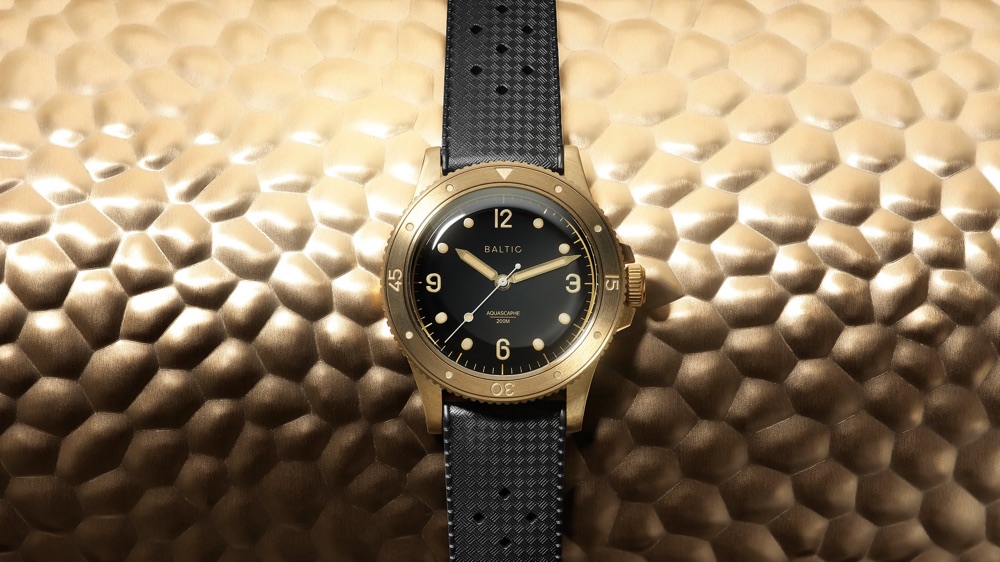
Buy it for the bronze or not at all; at €600 the €50 over the steel Tourer buys the metal and nothing else on the sheet. The case is CuAl8 bronze with a bronze bezel and buckle, in Green, Brown or Blue, and the lume is Super-LumiNova C3 X1 rather than the steel version's BGW9; the 37 mm by 46 mm footprint and the 150 m stay. For the same €600 the Aquascaphe Classic gives 200 m and a rotating sapphire bezel in steel. The trade is a case that patinates, and 50 m of rating against the Classic.
MovementMiyota 9039 automatic (no date) or 9015 (date)
Case37 mm
Lug to lug45 mm
Thickness12.9 mm
Lug width20 mm
Water resistance200 m
CrystalDouble-domed sapphire, inner AR
BezelUnidirectional sapphire, 120 clicks
LumeSuper-LumiNova BGW9
Case material316L stainless steel
Price$724 (maker's on-page estimate, billed in euros)
The Baltic diver for a wrist the 39.5 mm would overhang; at 45 mm lug to lug it is 2 mm shorter than any other diver the brand makes. 37 mm across, Miyota 9039 no-date or 9015 with date, from €630 in the same four dials as the larger MK2 (Blue, Grey, Green, Warm Silver), on FKM rubber Classic. The alternative for €80 less is the Hermétique Tourer, 1 mm longer, 2.1 mm thinner, on a fixed bezel. The trade against the 39.5 mm is dial area and nothing else; the price and the movement are the same.
Ø39.5 mm · automatic · 200 m · $724 · The signature diver · 200 m
Baltic Aquascaphe MK2 39.5mm
39.5 × 47 mm · ref 40 × 47
MovementMiyota 9039 automatic (no date) or 9015 (date)
Case39.5 mm
Lug to lug47 mm
Thickness12.9 mm
Lug width20 mm
Water resistance200 m
CrystalDouble-domed sapphire, inner AR
BezelUnidirectional sapphire, 120 clicks
LumeSuper-LumiNova BGW9
Case material316L stainless steel
Price$724 (maker's on-page estimate, billed in euros)
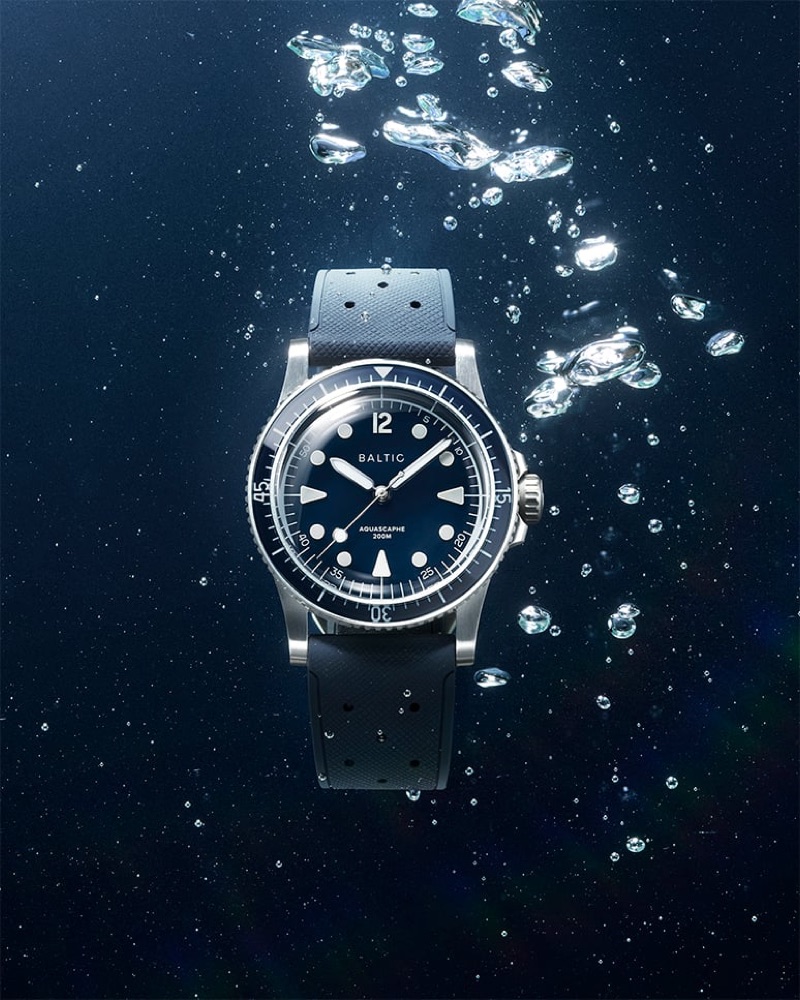
The Baltic to buy if you buy one, from €630, and the case the rest of the sports range is built on. 39.5 mm across and 47 mm lug to lug, Miyota 9039 no-date or 9015 with date, in Blue, Grey, Green or Warm Silver. FKM rubber Classic is standard; beads-of-rice or flat-link is the paid option. The alternative for €30 less is the Classic, which gives up the date option and BGW9. The GMT MK-II is this case with a Miyota 9075 inside at €220 more. The trade is the bracelet, which is not in the box.
BezelUnidirectional bronze with sapphire insert, 120 clicks
LumeSuper-LumiNova C1
Case materialBronze CuAl8
Price$742 (maker's on-page estimate, billed in euros)
The Classic in CuAl8 bronze, and as with the Tourer the premium, €45 here, buys the case metal alone; the dimensions and the Miyota 9039 match the €600 steel Classic exactly. €645 in Brown, Blue Gilt or Black, on FKM rubber Sport with a bronze buckle, with a bronze bezel over the same sapphire insert. The alternative for €15 less is the MK2 39.5 mm in steel, with BGW9 lume and the date option. The trade is a case that patinates against one that does not, and C1 lume against BGW9.
Price$770 (maker's on-page estimate, billed in euros)
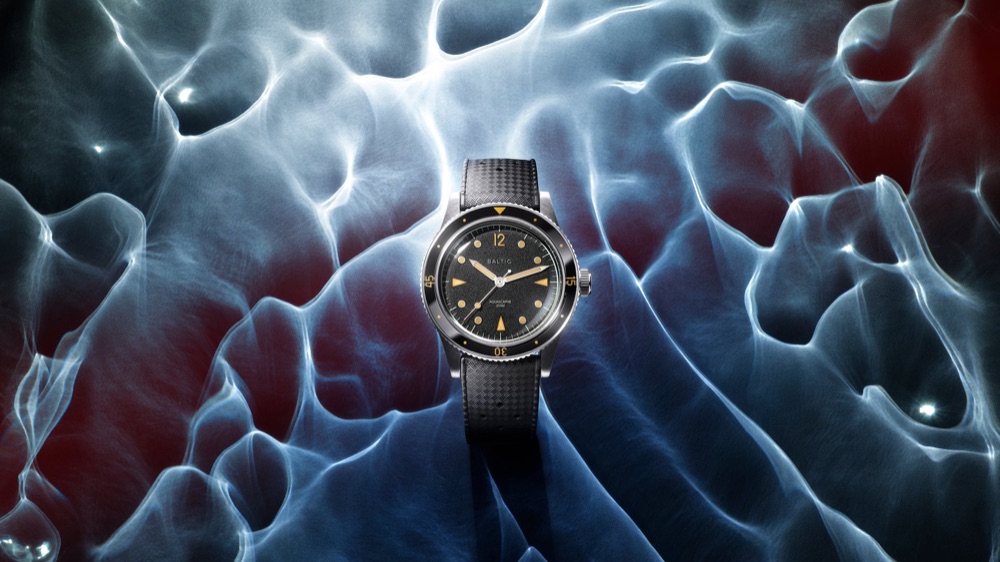
The Aquascaphe for anyone who wants 200 m under 12 mm. At 11.9 mm it is the thinnest of the divers, 1.1 mm under the Classic and 1 mm under the MK2, because the bezel sits under the crystal and is turned by a second crown at 2. From €670 in Blue, Black or Black PVD. The alternative for €40 less is the MK2 39.5 mm with an external unidirectional bezel. The trade is that an internal bezel turns both ways and needs the second crown to move; it times a parking meter better than a dive.
Ø41 mm · automatic · 300 m · $840 · 300 m · 55 g titanium
Baltic Aquascaphe Titanium
41 × 47 mm · ref 40 × 47
MovementMiyota 9039 automatic
Case41 mm
Lug to lug47 mm
Thickness13.3 mm
Lug width20 mm
Water resistance300 m
CrystalDouble-domed sapphire, inner AR
BezelUnidirectional brushed ceramic, 120 clicks
LumeSuper-LumiNova BGW9
Case materialTitanium (grade not stated), 55g
Price$840 (maker's on-page estimate, billed in euros)
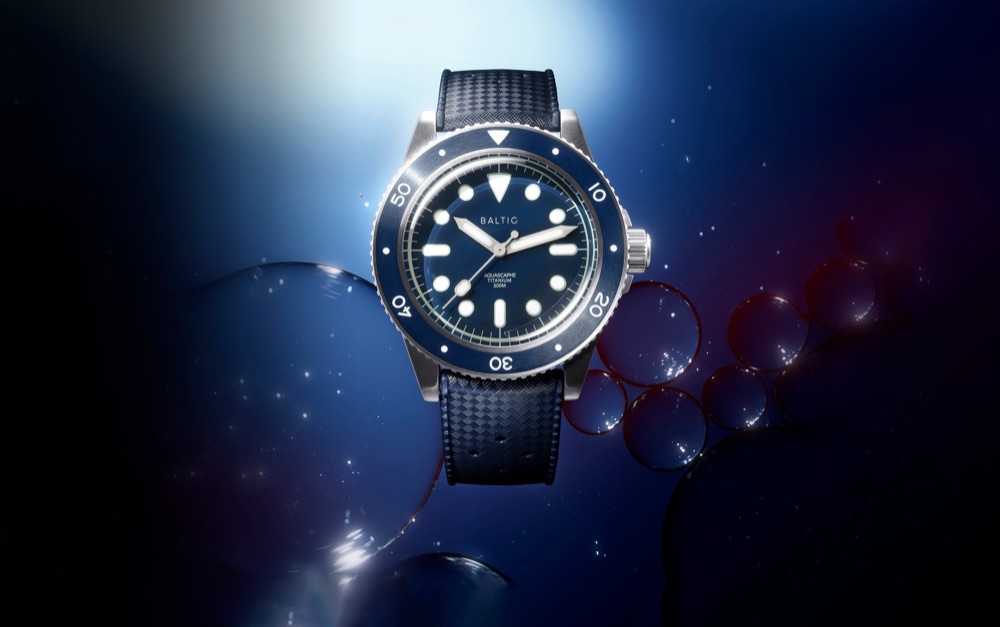
The only Baltic rated past 200 m, and at €730 the one to buy if the rating matters more than the diameter. It is the widest case in the range by 1.5 mm at 41 mm, yet at 47 mm lug to lug it is no longer than the 39 mm steel divers; the brand states 55 g for the case and no grade. Blue or Black on FKM rubber Sport. The alternative for €100 less is the MK2 39.5 mm at 200 m in steel. The trade is 100 m against 1.5 mm of case.
Ø39.5 mm · automatic · 200 m · $1,052 · New · true GMT
Baltic Aquascaphe GMT MK-II
39.5 × 47 mm · ref 40 × 47
MovementMiyota 9075 automatic GMT
Case39.5 mm
Lug to lug47 mm
Thickness13.8 mm
Lug width20 mm
Water resistance200 m
CrystalDouble-domed sapphire, inner AR
BezelBidirectional sapphire, 48 clicks, 24h
LumeSuper-LumiNova BGW9
Case material316L stainless steel
Price$1,052 (maker's on-page estimate, billed in euros)
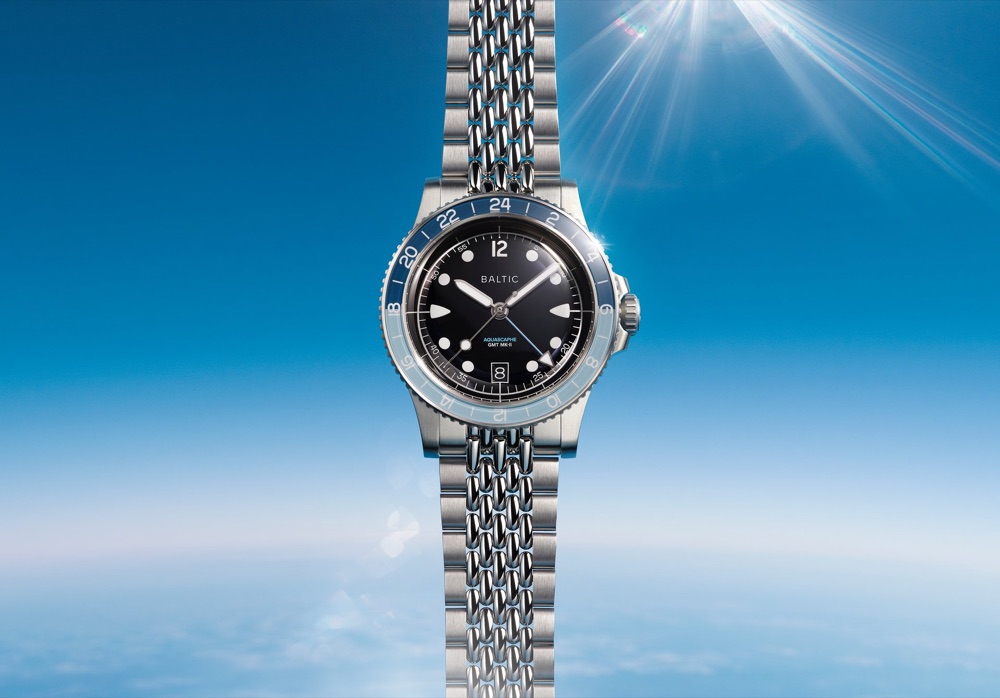
The GMT to buy at €850 if a jumping local hour is the point. The Miyota 9075 is a true GMT, moving the local hour in one-hour steps while the 24-hour hand holds home time, and the bidirectional 48-click 24-hour sapphire bezel gives a third zone. Marked new on the site, in Blue, Red, Grey or Green, on the beads-of-rice bracelet. The alternative from the same maker is the MK2 39.5 mm it is built on, at €220 less. The trade is 0.5 mm of thickness over any other Aquascaphe, and €220 for the calibre and the bezel.
Ø36 mm · hand wound · 30 m · $1,208 · Thinnest · 9.2 mm · hand-wound
Baltic Prismic
36 × 44 mm · ref 40 × 47
MovementETA/Peseux 7001 hand-wound
Case36 mm
Lug to lug44 mm
Thickness9.2 mm
Lug width20 mm
Water resistance30 m
CrystalDouble-domed sapphire, inner AR
BezelPolished upper / circular-brushed lower
Case material316L stainless steel and Grade 5 titanium
Price$1,208 (maker's on-page estimate, billed in euros)
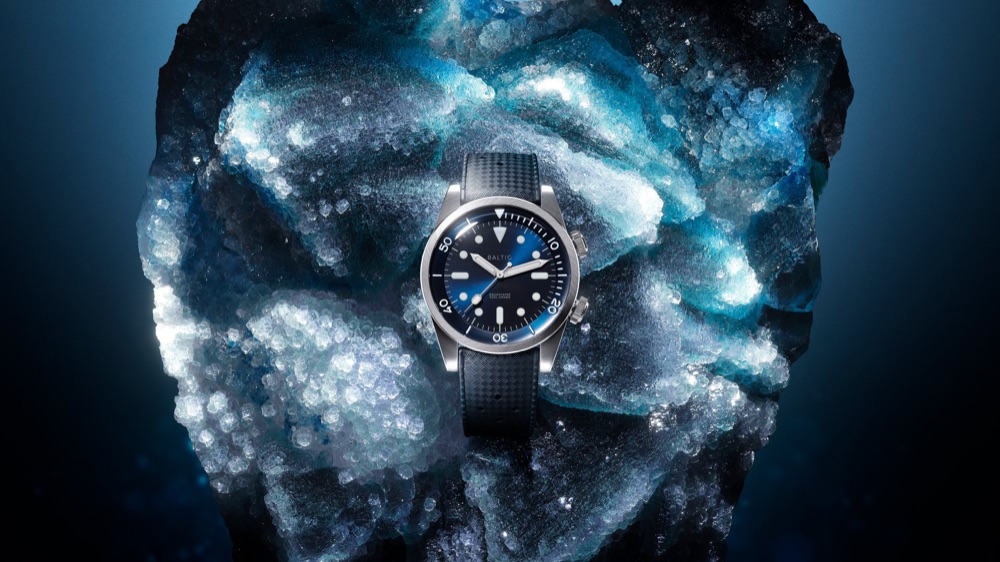
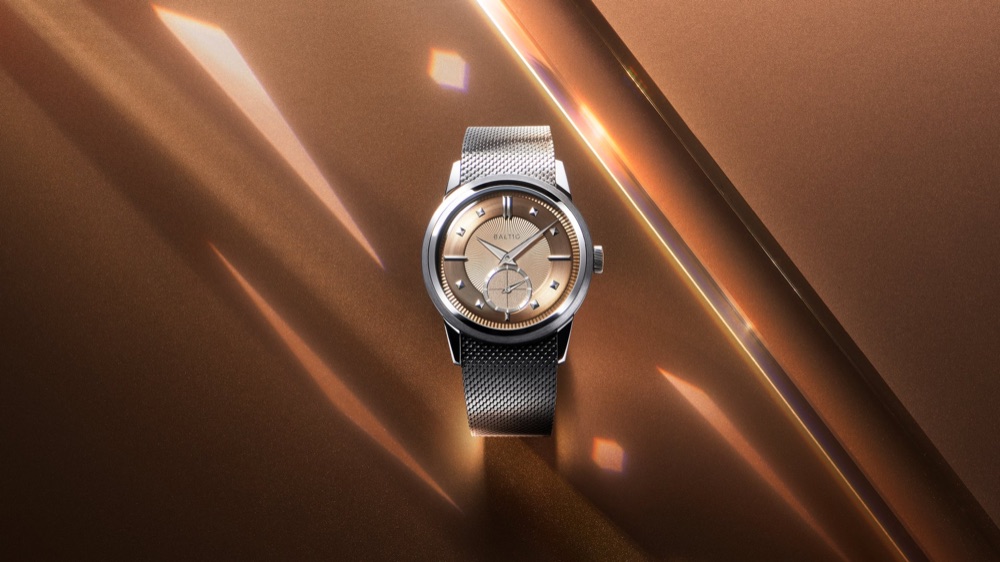
The thinnest Baltic at 9.2 mm and, from €990, the first with a Swiss movement, the ETA/Peseux 7001 hand-wound. The case is 316L steel and grade 5 titanium, 36 mm across and 44 mm lug to lug, on Italian calf leather or steel mesh, in Salmon, Purple or Green; Grey Blue was out of stock when we looked, and no lume is listed. The alternative for €445 less is the MR Classic, the same footprint, 0.7 mm thicker, under hesalite, on a micro-rotor. The trade for going Swiss is winding it yourself, and 30 m means keeping it dry.
Price$1,495 (maker's on-page estimate, billed in euros)
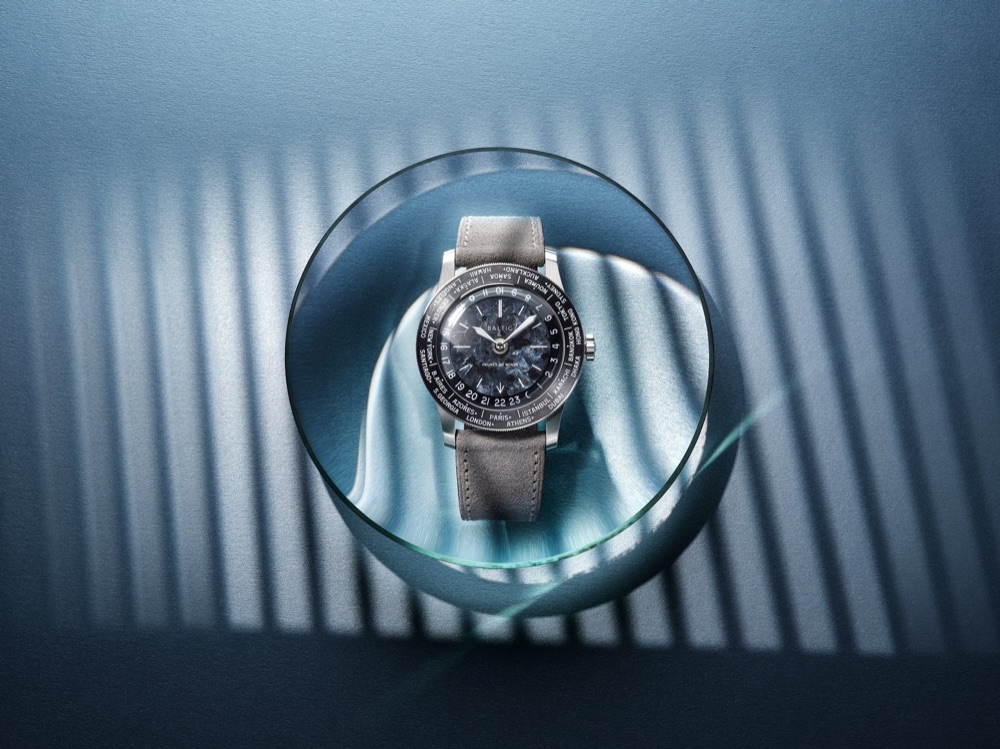
The worldtimer at €1,300, and a cheaper route to the Soprod C125 than Serica's 8315 at $2,450 (€2,090), which carries COSC certification where Baltic states none. 37 mm across and 45 mm lug to lug at 11.3 mm, 100 m, with a brushed ceramic bezel, on Italian calf leather, 200 numbered pieces per dial. The alternative from Baltic is the GMT MK-II at €450 less, 2.5 mm larger, 2.5 mm thicker and rated to twice the depth. The trade for the €450 is a Swiss calibre and a stone dial against water resistance and a bezel that times a dive.
Case material316L stainless steel and Grade 5 titanium
Price$1,736 (maker's on-page estimate, billed in euros)
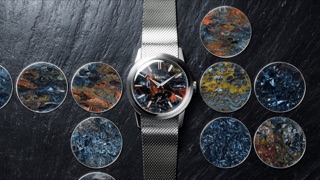
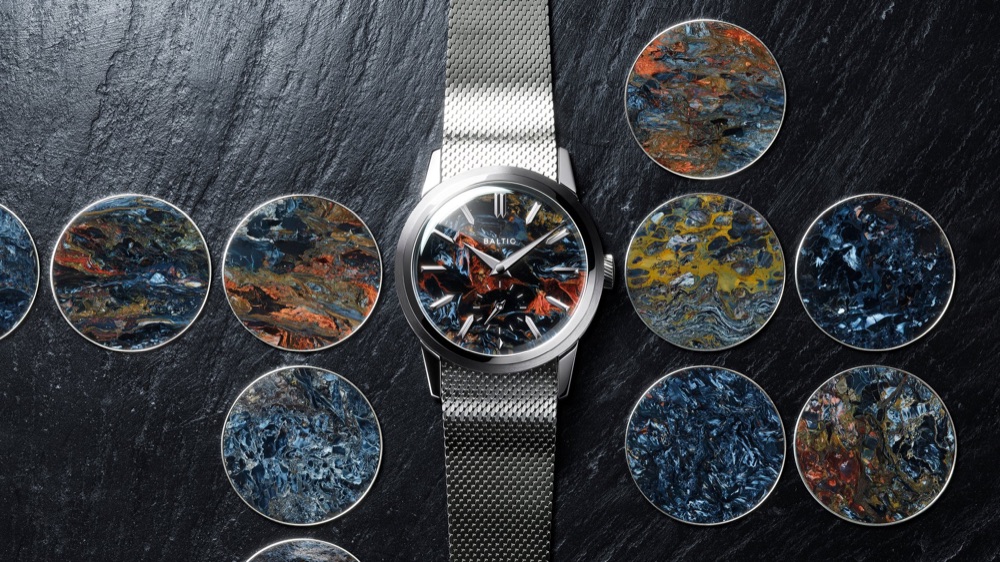
The stone-dial Prismic is a different watch rather than a dial option; the movement changes to a La Joux-Perret D100 hand-wound and the price to €1,450 for the Pietersite, €1,300 for the other stone dials. The case is the base Prismic's, 36 mm by 44 mm at 9.2 mm, on a brushed steel mesh bracelet. The alternative at close to the money is Farer's Solander, the same D100 at $1,295 (£1,150) in a 38 mm case 1.25 mm thinner. The trade against the €990 Prismic is €460 for the stone and the calibre; size and rating do not move.
Price$1,892 (maker's on-page estimate, billed in euros)
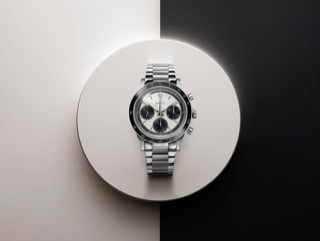
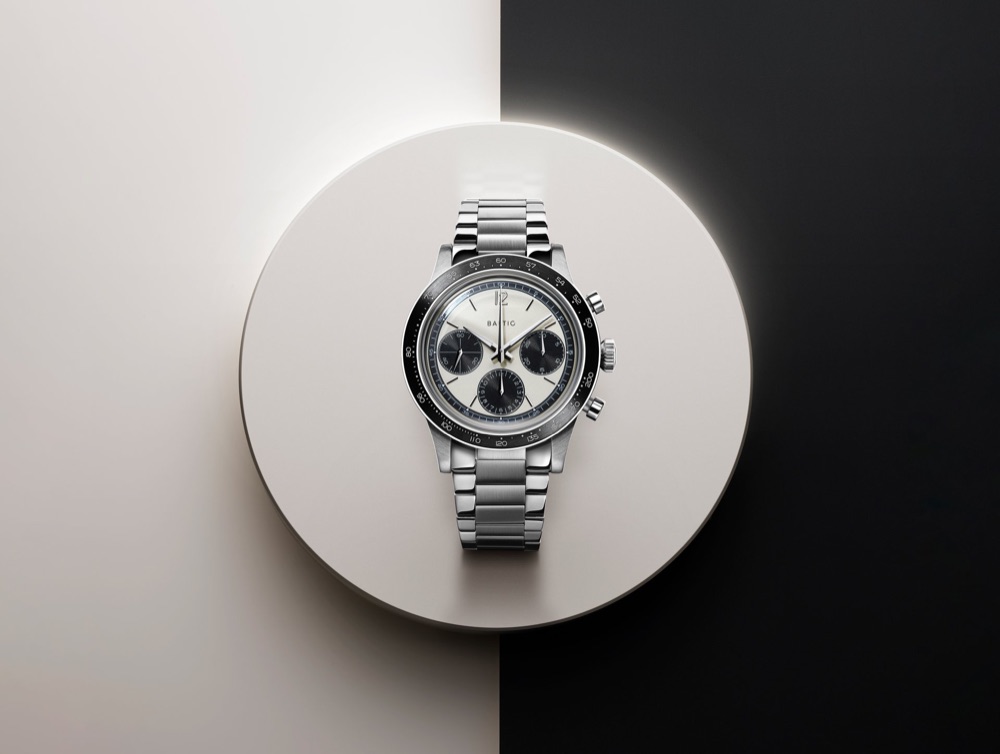
The only Baltic chronograph since the Bicompax retired, and the most expensive at €1,585 on the flat-link bracelet, with beads-of-rice or leather as options and the non-Classic Scalegraph at €1,635. The Sellita SW510-M hand-wound sits in the Aquascaphe MK2's footprint, 39.5 mm by 47 mm, under a fixed tachymeter bezel. The alternative on the same calibre is Farer's Libre at $2,095 (£1,875), rated to 100 m and limited to 100 units. The trade at Baltic is 50 m, which makes this a chronograph for the desk, and the Farer's extra rating is part of what the extra money buys.
Baltic is for the buyer who wants French design with the assembly location stated, at Miyota money, and who will pay in euros: the maker's site takes euros only, and the alternative is one of the roughly 30 stockists. The range suits a small wrist. The MK2 37 mm at 45 mm lug to lug, the MR Classic and Prismic at 44 mm and the HMS 003 at 46 mm are all short for their diameters, and nothing Baltic makes passes 47 mm lug to lug or 41 mm across. Look elsewhere if you want sapphire on a dress watch, since the HMS pair and the MR Classic are hesalite and Lorier's Astra at $699 is sapphire; if you need more than 200 m outside the Titanium, where Formex's Reefs are 300 m; or if you want a bracelet in the box, since most Baltics ship on rubber or leather, the bracelet is what lifts the "From" price, and Lorier ships every model on one.
Where it sits against the field
Because Baltic shows no dollar price, the comparison is on the spec sheet rather than at the till. The Aquascaphe MK2 39.5 mm (€630, 39.5 mm, 47 mm lug to lug, 12.9 mm, 200 m, Miyota 9039) sits with the Lorier Neptune ($699, 39 mm, 46 mm, 200 m, the same 9039), the Vaer D5 ($729, 39 mm, 46 mm, 11.9 mm, Miyota 9015) and the Traska Seafarer ($665, 38.5 mm, 46 mm, 150 m, 9039); of those, only the Baltic and the Lorier carry a sapphire bezel insert, and only the Baltic comes in a 37 mm size. The Hermétique Tourer (€550, 37 mm, 150 m) is the field-watch answer to the Traska Summiteer 38 ($700, 38.5 mm, 46 mm, 100 m, 9039). The GMT MK-II at €850 runs the same Miyota 9075 as the Lorier Hyperion ($799), the Nodus Contrail ($900), the Traska Venturer ($950) and the Vaer G5 ($989). Above €990 Baltic's neighbours are Farer and Serica: the Scalegraph and Farer's Libre share the Sellita SW510-M, the Prismic Stone and Farer's Solander share the La Joux-Perret D100, and the Heures du Monde and Serica's 8315 share the Soprod C125, with Baltic the cheaper route to each calibre in every case.
Questions people ask
Where are Baltic watches made?
Besançon, France, for assembly and adjustment; the components are made mostly in Hong Kong, with accessories from Italy, all stated on the brand's own about page. Baltic was founded there in 2016 by Etienne Malec and sells from its site, its Paris and London showrooms and around 30 authorised retailers.
Are Baltic watches Swiss?
Mostly not. The bulk of the range runs Japanese Miyota movements (9039, 9015, 9075 and 8315), and the MR Classic runs a Hangzhou CAL5000a micro-rotor from China. Four models are Swiss inside: the Prismic (ETA/Peseux 7001), the Prismic Stone (La Joux-Perret D100), the Heures du Monde (Soprod C125) and the Scalegraph (Sellita SW510-M). Assembly is in France for all of them.
Baltic Aquascaphe MK2 vs Aquascaphe Classic: what is the difference?
Half a millimetre of case, the lume grade and a date option. Both are 47 mm lug to lug, 200 m, Miyota 9039, double-domed sapphire, with a unidirectional 120-click sapphire bezel. The Classic is 39 mm, 13 mm thick, Super-LumiNova C1, no date, from €600. The MK2 is 39.5 mm or 37 mm, 12.9 mm thick, BGW9, with a Miyota 9015 date option, from €630.